Why Cutting or Drilling Wood Trusses Is Dangerous
When managing a construction or renovation project, the temptation to make space for HVAC ducts, plumbing lines, or electrical wiring by notching or drilling into wooden components is common. These minor adjustments can lead to catastrophic results when dealing with engineered wood trusses. Unlike traditional rafter framing, trusses are precision-engineered components designed to support specific loads. Any unauthorized modification compromises the safety of the entire building, leading to expensive repairs or structural failure. Wooden Roof Solutions explains why cutting or drilling wood trusses is so dangerous.
How Wood Trusses Function as a Structural System
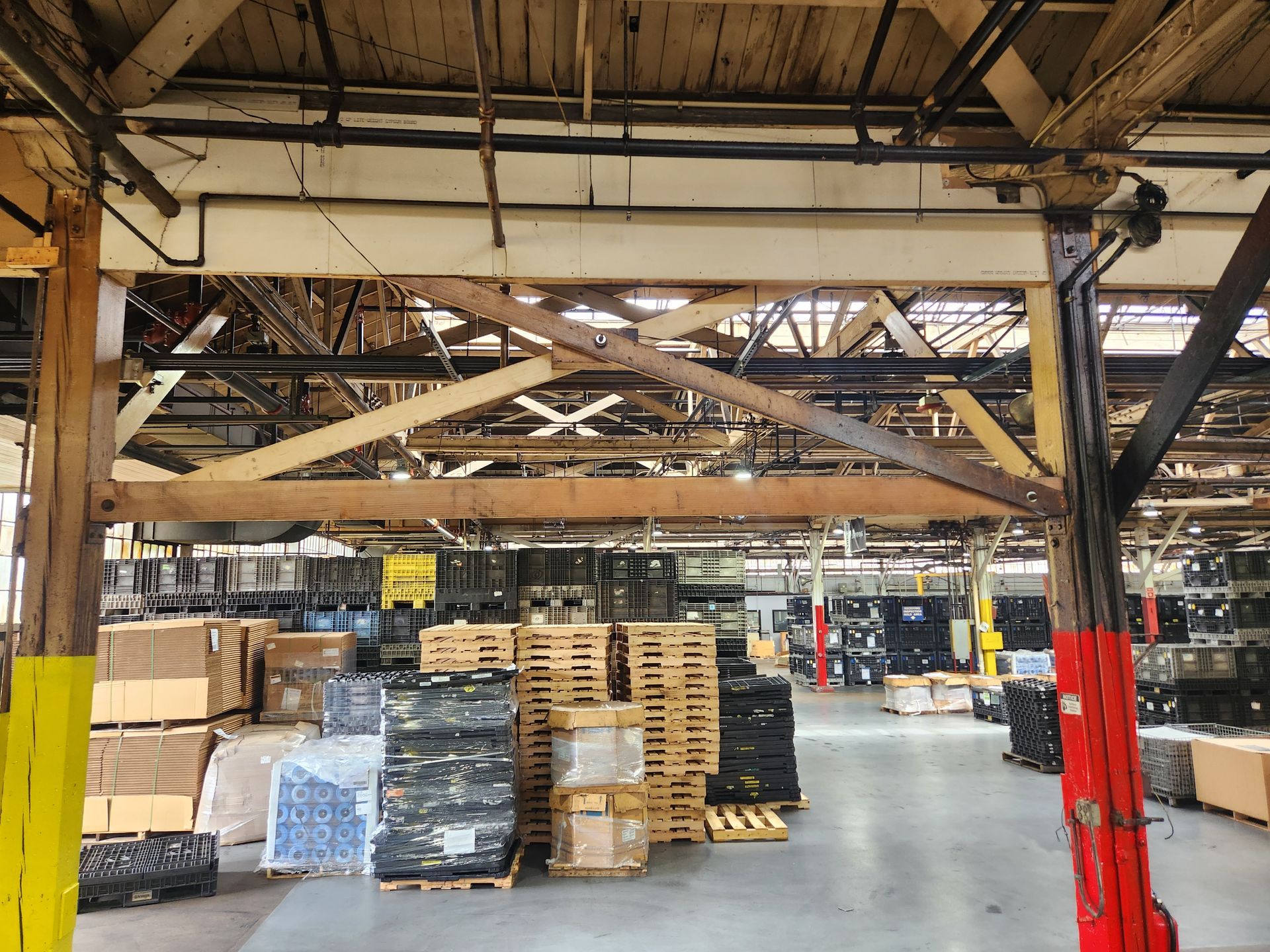
Wood trusses are designed as an integrated system of triangles, utilizing the inherent strength of triangles to distribute weight across a wide span. Each chord and web member is calculated to handle specific tension and compression forces. They are held together by metal connector plates positioned at exact locations. Because every piece of wood in a truss is interdependent, the system only functions correctly when every component remains fully intact and in its original configuration.
Loss of Structural Strength and Stability
The primary dangers of cutting wood trusses stem from the fact that they lack the "redundancy" found in heavy timber framing. In an engineered system, removing even a small section of a bottom chord or a diagonal web can reduce the truss's load-bearing capacity by more than 50%. This loss of stability means the truss can no longer effectively transfer the weight of the roof or floor to the bearing walls, leading to sagging or twisting.
Risk of Progressive Failure or Roof Collapse
One of the most significant structural risks of cutting trusses is the potential for progressive failure. Because trusses are often spaced 24 inches apart and tied together with bracing, the failure of one modified truss places an extreme, unanticipated load on the adjacent units. This domino effect can lead to a sudden, total roof collapse, especially during high-stress events like heavy snowfall or high winds, where the weakened member acts as the point of least resistance.
Structural Consequences of Drilling or Modifying Trusses
While a small hole for a wire might seem harmless, drilling through the center of a chord or near a joint plate can sever critical wood fibers. This creates a "stress riser," a point where the wood is likely to crack under pressure. Unlike solid 2x10 joists, which may have some allowance for holes, engineered trusses have almost zero tolerance for field-drilling unless specifically detailed by a licensed structural engineer.
Legal, Insurance, and Building Code Issues
Modifying a truss without an engineer's sealed repair plan is a direct violation of international and local building codes. If an inspection reveals cut trusses, you may be forced to halt work or face significant fines. Furthermore, building code violations for truss modification can void your property insurance. If a collapse occurs and it is determined that the trusses were altered on-site, insurance providers often deny claims, leaving the property owner or contractor liable for all damages. Let Wooden Roof Solutions make your repairs legal and safe.
Safety Hazards for Occupants and Property
The risks of modifying engineered wood trusses include a threat to human life. A compromised roof system may not show signs of distress immediately, creating a false sense of security. Over time, environmental stressors can cause the weakened wood to snap without warning. This endangers occupants and potentially leads to a total loss of the property.
Contact Wooden Roof Solutions
Wooden Roof Solutions specializes in truss roof repairs and reinforcement throughout the Midwest, including Oshkosh and Milwaukee, WI and Geneva, Glenview, La Grange, Evanston, and Arlington Heights, IL. The integrity of your roof or floor system is non-negotiable. If you discover that a truss has been cut, or if a project requires a truss modification, you must consult a professional structural engineer immediately to design a formal repair or reinforcement plan. Never attempt to "scab" or patch a truss with scrap lumber. Reach out to us today to schedule an appointment.